The Pinnacle of Automotive Elegance: A 2025 Retrospective on the Most Prestigious Luxury Car Brands
In the hyper-competitive and rapidly shifting landscape of high-end automotive aspiration, the definition of a luxury car brand has evolved far beyond plush leather seats and high-output engines. As we navigate the complexities of 2025, the zenith of automotive opulence is defined by a sophisticated alchemy: the fusion of unmatched artisanal craftsmanship, disruptive digital technology, and a profound, almost spiritual sense of cabin tranquility. It is no longer solely about the gleam of polished veneers or the tactile pleasure of hand-stitched hides; it is about curating an immersive sanctuary. In this mobile environment, the digital realm seamlessly integrates with refined comfort, and the near-silent hum of electrification increasingly replaces the visceral roar of traditional combustion.
As an automotive expert with over a decade in the sector, I have observed a distinct pivot. The most prestigious marques are no longer just producing high-performance machines; they are architecting legacies. From the “mobile estates” of the United Kingdom—which prioritize heritage and bespoke artistry—to the “technological marvels” of Germany—which focus on pushing the boundaries of autonomous software and electric performance—these brands represent the apex of engineering. This analysis delves into the ten most prestigious luxury car brands of 2025, evaluating their unique positions in an era where exclusivity is measured as much by sustainability and innovation as by raw power.
Rolls-Royce: The Unrivaled Standard of Bespoke Artistry
Rolls-Royce remains the gold standard of ultra-luxury. Occupying a stratospheric tier that few competitors can reach, the British marque continues to refine its “Magic Carpet Ride.” In 2025, the brand has proven that electrification—exemplified by the Rolls-Royce Spectre—does not dilute the brand’s identity but rather amplifies its core value: silence. By removing the mechanical vibration of a V12 engine, Rolls-Royce has created a near-inviolable acoustic sanctuary.
Bespoke personalization remains their strongest asset. The ability for clients to commission the “Starlight Headliner” or utilize “The Gallery” to house personalized art installations ensures that no two vehicles are identical. For the discerning investor, purchasing a Rolls-Royce is not a mere transaction; it is a capital investment in a master-crafted heirloom.
Bentley: The Confluence of Nobility and Performance
Bentley bridges the gap between chauffeured luxury and the thrill of the open road. With their “Beyond100” strategy, Bentley is aggressively transitioning to an electric-first future while safeguarding their sporting heritage. The Continental GT Speed remains a favorite among collectors, providing a perfect synthesis of grand-touring capability and brutal performance. Their focus on the “Rotating Display”—a dashboard that transitions from digital screens to analog dials—highlights a commitment to tactile, physical luxury that remains refreshing in a touch-screen-dominated industry.
Mercedes-Maybach: The German Mobile First-Class Suite
When discussing the best luxury cars, one cannot ignore the dominant force of the Mercedes-Maybach sub-brand. Positioned far above the standard Mercedes-Benz lineup, the Maybach S-Class and EQS SUV have become the preferred mobility solution for the global elite. The experience is akin to a private jet on wheels. Features like 4D surround sound—which transmits audio vibrations through the seats—transform the act of commuting into an immersive sensory experience. Their focus on rear-seat ergonomics and gesture-activated ingress sets a high bar for the luxury automotive market.
Range Rover: The Sovereign of All-Terrain Elegance
Range Rover has masterfully leveraged a “Reductive Design” philosophy, stripping away clutter to reveal a clean, monolithic aesthetic. The Range Rover SV line stands as a pinnacle of bespoke utility. Despite its immense size and opulence, the vehicle retains legendary off-road credentials, utilizing advanced air suspension that proactively scans the terrain. It remains the only choice for the elite who require the ability to traverse rugged landscapes without sacrificing the comfort of a high-end sedan.
Porsche: Precision Engineering and Practicality
Porsche has successfully redefined the luxury segment by infusing it with “Active Ride” suspension technology. The new Panamera (G3) illustrates this shift; it can physically tilt into corners to eliminate body roll, effectively balancing the comfort of a limousine with the agility of a track-focused machine. For those seeking a high-performance vehicle that functions reliably for daily use, Porsche remains the analytical choice.
Aston Martin: Artistry in Motion
Aston Martin continues to trade on its racing pedigree. The DB12 serves as a masterclass in modern grand touring. By integrating advanced driver-assistance systems with a classic V8 layout, they offer a driving experience that feels both familiar and futuristic. Their commitment to chassis tuning ensures that the driver remains the protagonist of the experience, distinguishing them from the more passenger-focused brands in this list.
Ferrari: The Uncompromising Pursuit of Passion
With the introduction of the Purosangue, Ferrari has entered the luxury utility space without sacrificing its core values. It is a bold move to offer a four-door vehicle that still handles like a mid-engine supercar. Ferrari’s strategy relies heavily on the “emotional resonance” of their products—the visceral thrill of the engine, the precision of the steering, and the prestige of the prancing horse emblem.
McLaren: Engineering Pure Exhilaration
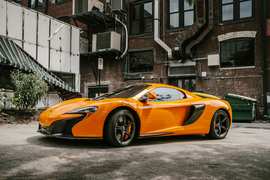
McLaren Automotive focuses on the hyper-niche sector of lightweight, track-derived engineering. The Artura hybrid highlights the brand’s shift toward performance-oriented electrification. By utilizing carbon-fiber monocoque structures, McLaren keeps their vehicles significantly lighter than their competitors, ensuring that “driving dynamics” remains the primary selling point of their brand identity.
Lamborghini: Audacious Power
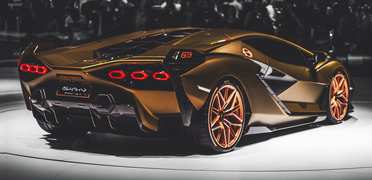
The Lamborghini Revuelto—a V12 hybrid—signals the evolution of the “Raging Bull.” The brand has successfully maintained its wild, unapologetic aesthetic while integrating cutting-edge electric torque-fill. It appeals to a demographic that values status and spectacle as much as they value technical specs.
Audi: Refined Technological Sophistication
Audi rounds out the top tier with a focus on interior digitalization and minimalist design. The e-tron GT is perhaps the most refined electric grand tourer on the market, appealing to professionals who prioritize understated elegance over showy displays of wealth. Their “Virtual Cockpit” remains the industry benchmark for UI/UX design in the automotive space.
Strategic Market Outlook for 2025
As we look ahead, the automotive luxury segment is seeing an influx of high-CPC (Cost-Per-Click) advertising and marketing budgets, as brands compete for the attention of high-net-worth individuals. Factors like electric vehicle range, autonomous driving features, and bespoke custom vehicle services are now the key metrics by which owners judge their investments. Whether you are looking for the prestige of a V12 engine or the cutting-edge performance of a hybrid powertrain, the options have never been more diverse.
The distinction between a “car” and a “luxury automotive experience” has become razor-thin. Brands that can balance the heritage of the past with the technological demands of the future are the ones that will continue to dominate the market. Investing in a luxury vehicle today is an investment in a piece of rolling history.
If you are ready to transition from a mere passenger to an owner of one of these engineering marvels, now is the time to engage with your local authorized dealership. Whether you seek the bespoke configuration of a Rolls-Royce or the technical prowess of a Porsche, schedule a private consultation today to experience the future of automotive excellence for yourself.