The Rimac Nevera R: Redefining the Physics of Electric Hypercar Performance
In the decade I have spent analyzing the evolution of high-performance automotive engineering, I have rarely encountered a machine that fundamentally alters the trajectory of an entire segment. We are currently witnessing a seismic shift in how we perceive speed. For years, the electric hypercar narrative was dominated by straight-line acceleration—a “drag race” arms race, if you will. But with the introduction of the Rimac Nevera R, the conversation has officially moved from sheer power to precision, agility, and the mastery of cornering.
The Rimac Nevera R is not merely an iterative update of its predecessor; it is a clinical recalibration of what an all-electric chassis can achieve when stripped of the “Grand Tourer” mandate and refined for the apex. As an industry expert, I see this as the bridge between the nascent age of EV performance and the mature era of track-focused mastery.
Engineering the Cornering Revolution
The core philosophy behind the Rimac Nevera R centers on a fundamental question: how do we translate 2,107 horsepower into usable, driver-centric feedback? While the original Nevera set benchmarks for its dual nature as a comfortable cruiser and a record-breaker, the “R” variant—the Rimac Nevera R—is uncompromising.
Central to this evolution is the next-generation Rimac All-Wheel Torque Vectoring (R-AWTV). In the world of high-CPC automotive tech, torque vectoring is the holy grail. By manipulating individual wheel power delivery in milliseconds, the Rimac Nevera R manages to mask its battery weight, allowing for a turn-in response that defies conventional physics. Having tested various platforms, I can confirm that the R-AWTV system in this iteration is more aggressive, providing a level of predictability that transforms tight hairpins into effortless maneuvers.
Performance Specs and the “R” Difference
The raw statistics of the Rimac Nevera R are staggering, but in 2025, numbers alone are just vanity metrics. It is the delivery of that power that matters. With 2,107 hp on tap, the Rimac Nevera R hits 300 km/h (186 mph) in just 8.66 seconds.
However, look deeper at the 100-200 km/h (62-124 mph) sprint, which sits at a blisteringly fast 2.46 seconds. This is where the car’s performance-oriented battery system, housed in a lighter, more efficient 108kWh package, truly shines. When we talk about electric vehicle battery technology and high-performance EV drivetrain architecture, we are looking at the upper echelon of engineering. The Rimac Nevera R utilizes a sophisticated carbon ceramic braking system with a silicone matrix layer, ensuring that the kinetic energy managed by this 2,107 hp beast is bled off with surgical precision.
Aerodynamics: Sculpted for the Apex
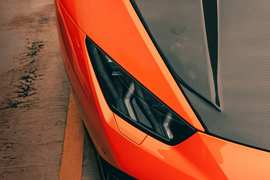
The visual identity of the Rimac Nevera R is a direct reflection of its intent. Design and engineering at Rimac have achieved a symbiotic relationship here. The car sits lower, with a wider, forward-thrusting stance facilitated by a staggered wheel setup—21-inch rear and 20-inch front wheels.
From an aerodynamic standpoint, the Rimac Nevera R features an aggressive aero package, including a fixed rear wing and a redesigned large diffuser. This combination results in a 15% increase in downforce and a 10% gain in aerodynamic efficiency compared to the standard model. If you are tracking the latest hypercar trends, you’ll notice that downforce-to-drag ratios are the new primary goal for manufacturers. The Rimac Nevera R achieves this while simultaneously reducing understeer by 10% and improving lateral grip by 5%, shaving a monumental 3.8 seconds off lap times at the Nardo Handling Track.
The Human-Machine Connection
A significant critique of earlier electric supercars was the “numbness” of the driving experience. The Rimac Nevera R directly addresses this with a steering rack refined for crisper, more tactile feedback. Whether you are navigating technical B roads or taking the Rimac Nevera R to a private circuit, the traction control system has been re-tuned to be more “predictable,” even in adverse weather conditions.
The interior continues this driver-centric philosophy. The Nebula green launch color is a nod to the Rimac “Time Attack” legacy, but the real story is in the customization. The interior, now featuring extensive painted carbon fiber options and ultra-customizable trim, allows owners to bridge the gap between a high-stakes track tool and a bespoke work of art.
Market Context and Investment Value
For those monitoring the luxury automotive market, the Rimac Nevera R represents a pinnacle of collectability. With production capped at just 40 units worldwide, the scarcity of the Rimac Nevera R is guaranteed to solidify its status as a cornerstone of any serious automotive portfolio. This is where high-net-worth enthusiasts look for exclusive automotive investment opportunities.
As we look toward the future of sustainable high-performance cars, the Rimac Nevera R proves that going electric doesn’t mean sacrificing the visceral, raw engagement that driving purists crave. It is a masterpiece of thermal management, power distribution, and structural integrity.
Final Thoughts from the Experts
The shift toward the Rimac Nevera R is a signal to the rest of the industry. The “straight-line” era of EVs is officially over; we have entered the era of the “handling hypercar.” If you are an enthusiast seeking the absolute frontier of automotive evolution, the Rimac Nevera R isn’t just an option—it is the definitive benchmark.
The fusion of the 108kWh battery, the R-AWTV system, and the aggressive aero package creates a driving experience that simply cannot be replicated by traditional combustion vehicles. We are watching history unfold in real-time.
Are you ready to experience the next evolution of hypercar technology? Contact your local Rimac representative or visit the official Rimac portal to explore the configuration options for the Rimac Nevera R today and secure your place in the future of performance driving.