The Evolution of Precision: Why the Porsche 911 GT3 RS Remains the Gold Standard
For over a decade, I’ve spent my weekends in the paddocks of tracks from Laguna Seca to Spa-Francorchamps, analyzing the machinery that defines the pinnacle of automotive engineering. If there is one nameplate that consistently demands respect—not just for its lap times, but for its relentless pursuit of mechanical purity—it is the Porsche 911 GT3 RS. Since the arrival of the 996-generation iteration in the late 1990s, the GT3 RS has evolved from a race-homologated special into a technological marvel that bridges the gap between grand touring and genuine motorsport competition.
As we stand on the precipice of the 992.2 generation, the Porsche 911 GT3 RS remains the benchmark by which all other track-focused sports cars are measured. It isn’t just a vehicle; it is an exercise in aerodynamic perfection and chassis balance that serves as the holy grail for driving enthusiasts and high-net-worth collectors alike.
The Engineering Philosophy Behind the Porsche 911 GT3 RS
The brilliance of the Porsche 911 GT3 RS lies in the philosophy that lightweight construction and precision aerodynamics will always outperform raw, unrefined horsepower. When Porsche engineers first stripped the 996.2 GT3 to create the original “RS,” they set a precedent that persists today.
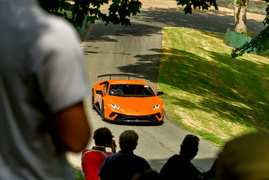
The current 992.1 generation is a masterclass in downforce management. With its active aero elements—including the F1-inspired Drag Reduction System (DRS) and a hydraulically adjustable front splitter—the car manipulates air with surgical accuracy. This isn’t just for show; it produces 860kg of downforce at high speed, effectively suctioning the car to the tarmac. The heart of this beast, a naturally aspirated 4.0L Flat-6 producing 525 horsepower, is a dying breed in an era of forced induction. It delivers a linear, spine-tingling power delivery that turbocharged engines simply cannot replicate. For those seeking a high-performance investment, the Porsche 911 GT3 RS consistently represents a high-CPC asset class, retaining value far better than its competitors.
992.2: A Refinement, Not a Reinvention
Recent spy shots of the upcoming 992.2 facelift confirm that Porsche is taking a cautious, iterative approach. You’ll notice the signature center-mounted radiator and the aggressive “nostril” outlets on the carbon fiber bonnet, which have become the visual shorthand for the Porsche 911 GT3 RS.
While rumors circulate about potential hybrid powertrains across the wider 911 range, I maintain a skeptical stance regarding the RS variant adopting a heavy electrified unit. The soul of the Porsche 911 GT3 RS is its weight-to-power ratio. Introducing a heavy battery system would betray the core DNA of the RS moniker. The engineering team at Stuttgart knows that their target demographic—the track-day connoisseur—values the mechanical feedback and sensory purity of the naturally aspirated Flat-6 above all else.
Competing in the Performance Luxury Market
We are currently witnessing an arms race in the high-performance car segment. Mercedes-AMG is pushing the limits with its latest track-hardened entries, and the rivalry between Stuttgart and Affalterbach has never been more intense. Yet, even with the technological advancements seen in competitors, the Porsche 911 GT3 RS occupies a unique psychological space. It is viewed as an “analog” experience wrapped in cutting-edge technology.
Whether you are looking to secure a build slot for a new model or considering a pre-owned investment-grade Porsche, understanding the nuances of these variants is critical. The high-CPC nature of these vehicles means that market fluctuations are often dictated by provenance, specification, and maintenance history. Investing in a Porsche 911 GT3 RS is not merely a purchase; it is a commitment to a legacy of engineering that is becoming increasingly rare in the global automotive landscape.
What to Expect in the Final Phase
As development concludes at the Nürburgring, the 992.2 update appears focused on optimizing cooling efficiency and minor aerodynamic tweaks rather than a radical design departure. The integration of improved rear intakes and a refined diffuser suggests that Porsche is looking to squeeze every millisecond of performance out of the current platform.
If this final internal combustion iteration is indeed the swansong for the 4.0L engine, we are looking at the end of an era. The Porsche 911 GT3 RS has been the standard-bearer for two decades, and its transition into the next phase of development will undoubtedly be the most scrutinized release of the year.
The Verdict for Enthusiasts
For the driver, the Porsche 911 GT3 RS is a tool that rewards skill and punishes complacency. For the collector, it is a blue-chip asset that stands as a testament to human ingenuity. Whether you are navigating the twisty roads of the Pacific Coast Highway or setting a personal best at your local circuit, the experience of a flat-six engine screaming toward an 9,000 RPM redline is unmatched.
Are you prepared to elevate your garage with a vehicle that defines an entire generation of motorsport heritage? The journey toward owning the ultimate expression of the Porsche 911 GT3 RS begins with understanding its technical pedigree and securing the right advice for your next acquisition. Contact our expert team today to discuss current market availability, investment strategies, and how to position yourself for the upcoming release of the latest track-ready masterpiece.