The Evolution of Precision: Why the Porsche 911 GT3 RS Remains the Apex Predator
Since the late 1990s, the automotive landscape has been littered with manufacturers attempting to bridge the gap between street-legal transportation and genuine race-car performance. Yet, few have achieved the legendary status of the Porsche 911 GT3 RS. Over the last decade of analyzing high-performance vehicles, I have witnessed countless “track-focused” models come and go, but the GT3 RS remains the undisputed gold standard. It is not merely a car; it is a masterclass in motorsport engineering that has defined the very segment it helped create.
The Genetic Legacy of the Porsche 911 GT3 RS
When Porsche debuted the 996-generation GT3 RS, it wasn’t just a marketing exercise. The engineers in Stuttgart took a platform already lauded for its precision and stripped away everything that didn’t contribute to speed. By refining the aerodynamics and shaving critical grams from the unsprung weight, they created a benchmark that enthusiasts still chase today.
Fast forward to the modern era, and the 992.1 generation has taken this philosophy to an almost absurd level. The current Porsche 911 GT3 RS is an aerodynamic marvel. Featuring a carbon fiber bonnet with a central radiator—a departure from traditional front-trunk layouts—and “nostril” outlets, it directs airflow with surgical intent. When you combine this with the hydraulically adjustable front splitter, underbody flaps, and the massive swan-neck rear wing utilizing Drag Reduction System (DRS) technology derived from Formula 1, the result is 860kg of downforce at 177mph. For those in the market for high-performance driving experiences, this vehicle offers a level of stability and confidence that is simply unrivaled.
The Engineering Philosophy: Why Naturally Aspirated Still Rules
As we anticipate the upcoming 992.2 iteration, the automotive world is rife with speculation regarding the powertrain. Many wonder if the Porsche 911 GT3 RS will finally succumb to the industry-wide push for hybridization and forced induction. While the new 3.6L twin-turbo hybrid Flat-6 is undeniably a technological triumph for the broader 992.2 range, I maintain a skeptical stance on its inclusion in the GT3 RS.
In the world of professional track driving, weight is the enemy of agility. While hybrid systems provide immense torque and efficiency, the added mass is fundamentally antithetical to the ethos of the GT3 RS. For the past decade, the 4.0L naturally aspirated Flat-6 has been the beating heart of this machine. It offers a linear power delivery and an acoustic signature that forced induction simply cannot replicate. The GT3 RS isn’t just about lap times; it is about the visceral, tactile connection between the driver, the chassis, and the engine. If the brand aims to produce the most rewarding sports car on the market, the naturally aspirated engine remains the only logical choice.
Preparing for the 992.2: What Spy Shots Tell Us
Recent spy footage from the Nürburgring provides a glimpse into the final phase of testing for the 992.2 update. To the untrained eye, the camouflaged prototype may look identical to the 992.1. However, a closer look reveals subtle refinements in the rear diffuser and integrated air intakes positioned near the exhaust outlets.
These updates suggest that Porsche is focusing on thermodynamic efficiency and refined airflow management rather than a complete redesign. The industry buzz around this car is palpable. Enthusiasts and luxury car investors alike are watching closely, as this could represent the “swansong” for the pure, naturally aspirated combustion engine in the GT3 lineage. Whether you are looking for an investment-grade performance vehicle or the ultimate tool for track days, the Porsche 911 GT3 RS remains the pinnacle of automotive asset value.
Performance Comparisons and Market Dynamics
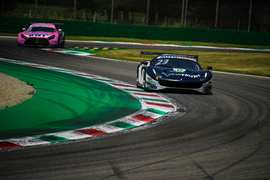
The competitive landscape is heating up. Rivals like the new track-hardened Mercedes-AMG GT are pushing the boundaries of technology, often leaning heavily into high-torque, biturbo architectures. While these cars offer impressive 0-60 figures, they often lack the mechanical purity that has made the Porsche 911 GT3 RS an icon for two decades.
High-performance buyers are increasingly looking for a vehicle that retains its mechanical character over time. When comparing the Porsche 911 GT3 RS against the broader supercar market—including specialized boutique brands—the Porsche consistently wins on reliability, track-day accessibility, and resale value. Investing in a GT3 RS isn’t just about buying a car; it’s about buying into a decade of refined engineering heritage that continues to outpace the competition.
The Path Forward: Securing Your Future in the Driver’s Seat
As we look toward the official release of the 992.2 variant, the demand for these machines is expected to reach record levels. Whether you are a track enthusiast seeking the ultimate lap-time weapon or a collector eyeing the next milestone in Porsche history, the market is shifting quickly.
The Porsche 911 GT3 RS continues to be a benchmark for what is possible when engineering talent meets a relentless pursuit of performance. The transition from the 992.1 to the 992.2 will likely be the final chapter for this specific engine configuration, making it one of the most significant releases in the coming year.
If you are serious about securing a vehicle that combines raw mechanical thrill with world-class engineering, now is the time to prepare. Contact your local Porsche dealer or authorized performance consultant to discuss your place in the allocation queue or to explore the remaining inventory of current-generation models. Don’t just watch the history of the Porsche 911 GT3 RS unfold from the sidelines—experience it for yourself on the tarmac. Reach out today to start your journey toward owning the ultimate driving machine.